.avif)
.svg)
.svg)

Saving Infected Teeth with Root Canal Therapy
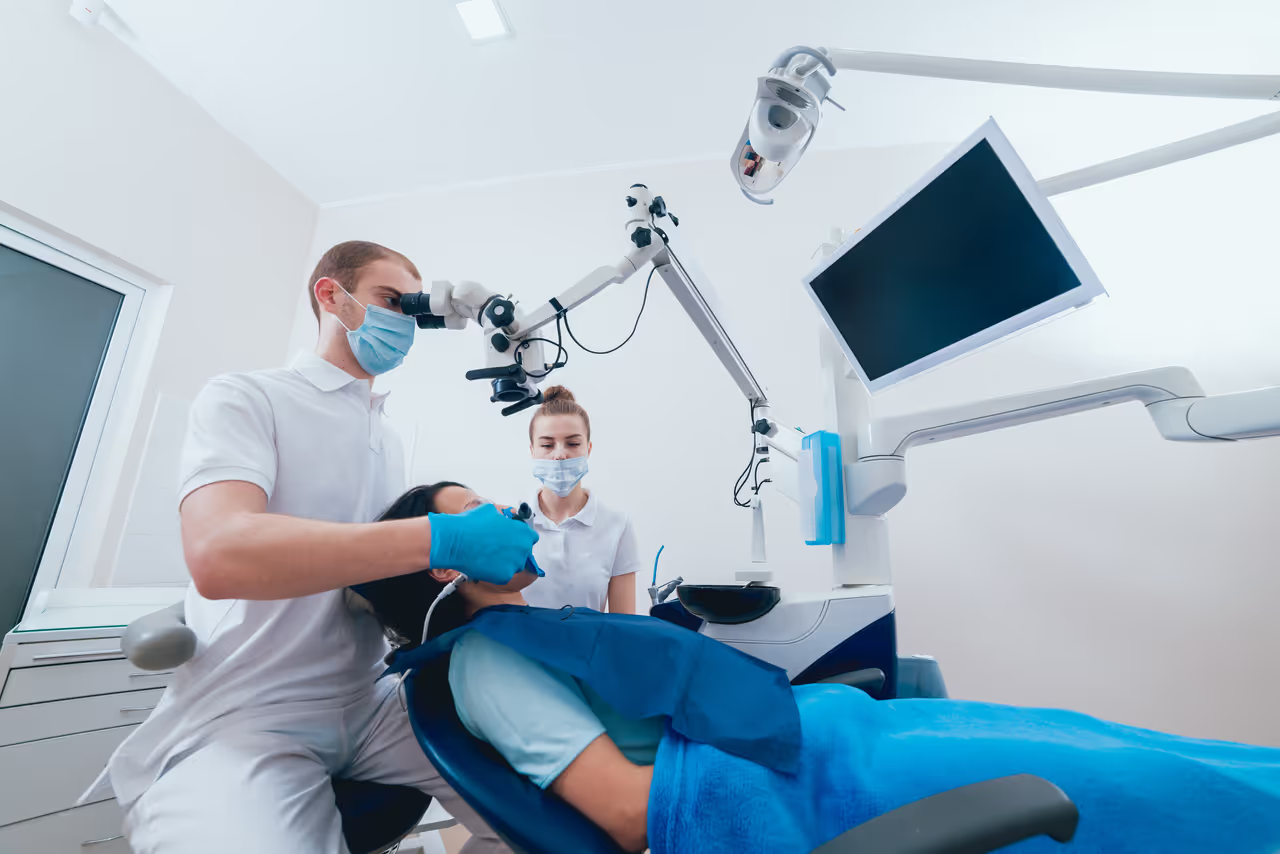
At Great Lakes Dental Associates, root canal therapy is used to treat infections inside the tooth while preserving the natural tooth structure. This treatment removes infected tissue and helps relieve pain while preventing further damage. Learn more about the practice and its modern treatment approach on the About Great Lakes Dental Associates page.
Root canal therapy allows patients to keep their natural teeth rather than requiring extraction.

When Root Canal Therapy Is Needed
Root canal treatment may be necessary when the inner pulp of a tooth becomes infected.
Common symptoms include:
- Persistent tooth pain
- Sensitivity to hot or cold
- Swelling around the gums
- Darkening of the tooth
If left untreated, infection can spread and may require Tooth extraction.
The Root Canal Procedure
Root canal therapy typically involves:
- Removing infected tissue from the tooth
- Cleaning and disinfecting the root canals
- Sealing the tooth to prevent reinfection
After treatment, a Dental crown is often placed to strengthen the tooth.
Benefits of Root Canal Therapy
Root canal therapy helps:
- Eliminate infection and pain
- Preserve the natural tooth
- Prevent further oral health complications
- Restore normal chewing function
Saving the natural tooth helps maintain proper alignment and jaw health.
Frequently Asked Questions
Question text goes here
Answer text goes here
Are root canals painful?
Modern root canal procedures are performed with local anesthesia and are typically comfortable.
How long does root canal therapy take?
Most treatments can be completed in one or two visits.
Will I need a crown after a root canal?
In many cases, a dental crown is recommended to protect the treated tooth.
Can infection return after a root canal?
With proper care and restoration, the treated tooth can last many years.
Schedule Your Appointment
If you are experiencing tooth pain or signs of infection, early treatment is important.
Schedule your visit through the Book an Appointment page or contact our office through the Contact Us page.